Why We Grow Our Own Food (Even When We Don't Have To)
How the garden changes more than what's on your plate—and why that matters now more than ever

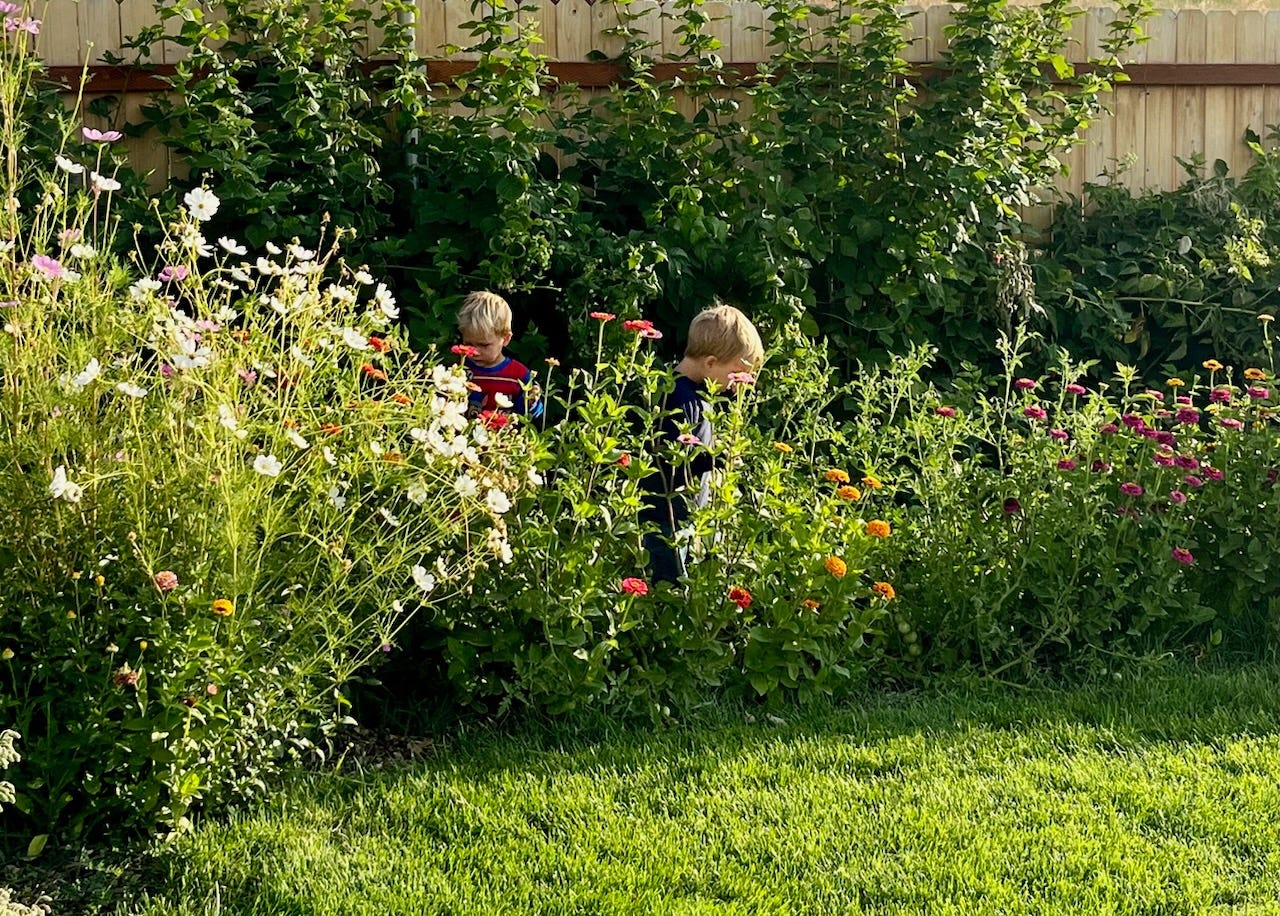
It’s a warm spring this year, and the first fall bulbs are just peeking up to greet us.
Their vibrant colors remind us of the life and beauty that await as the warmth of the coming season eclipses the darkness of winter. The chickens know it, too, as we can tell by the many eggs we’re beginning to collect each day.
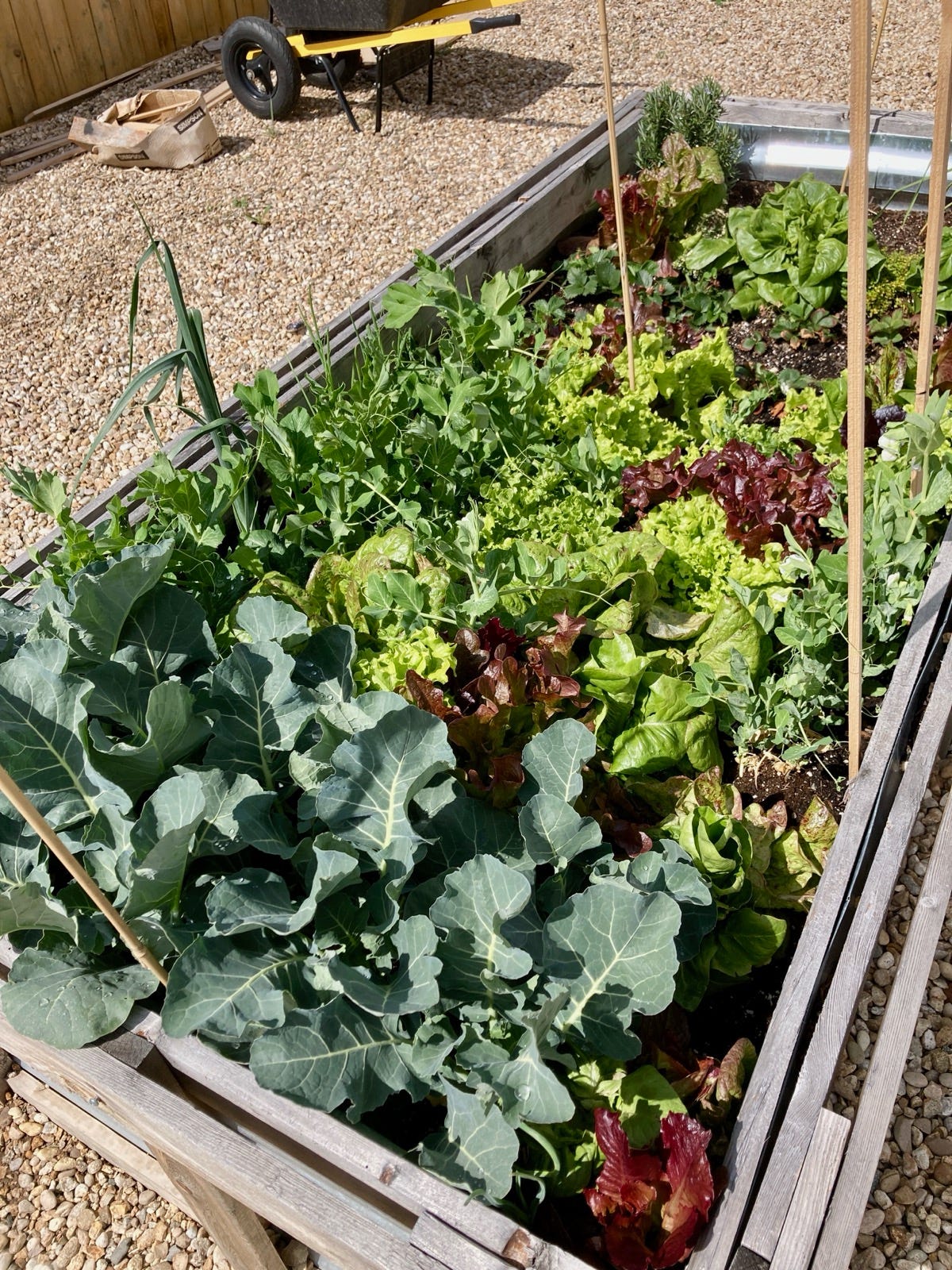
In the heat and light of the sun, we are all a little more active outdoors, taking note of the rapid changes as trees leaf out and the early bearing peaches and cherries start setting fruit. It’s also time for the many spring chores that will set the stage for the garden’s main show of abundance come the heat of summer. Irrigation needs fixing. Garden beds need amending. Paths beg to be re-mulched, lest our walking space and our growing space become indistinguishable.
In the midst of all this preparation, it is good to remember just what all this work is for. After all, we could simply make the drive to our local grocery store and have our pick of produce right away—no tending, no weeding, no pests munching away at the fruits of our labors.
Why do we put ourselves through all of this? What is the point of growing all our own food, or even any of it at all?
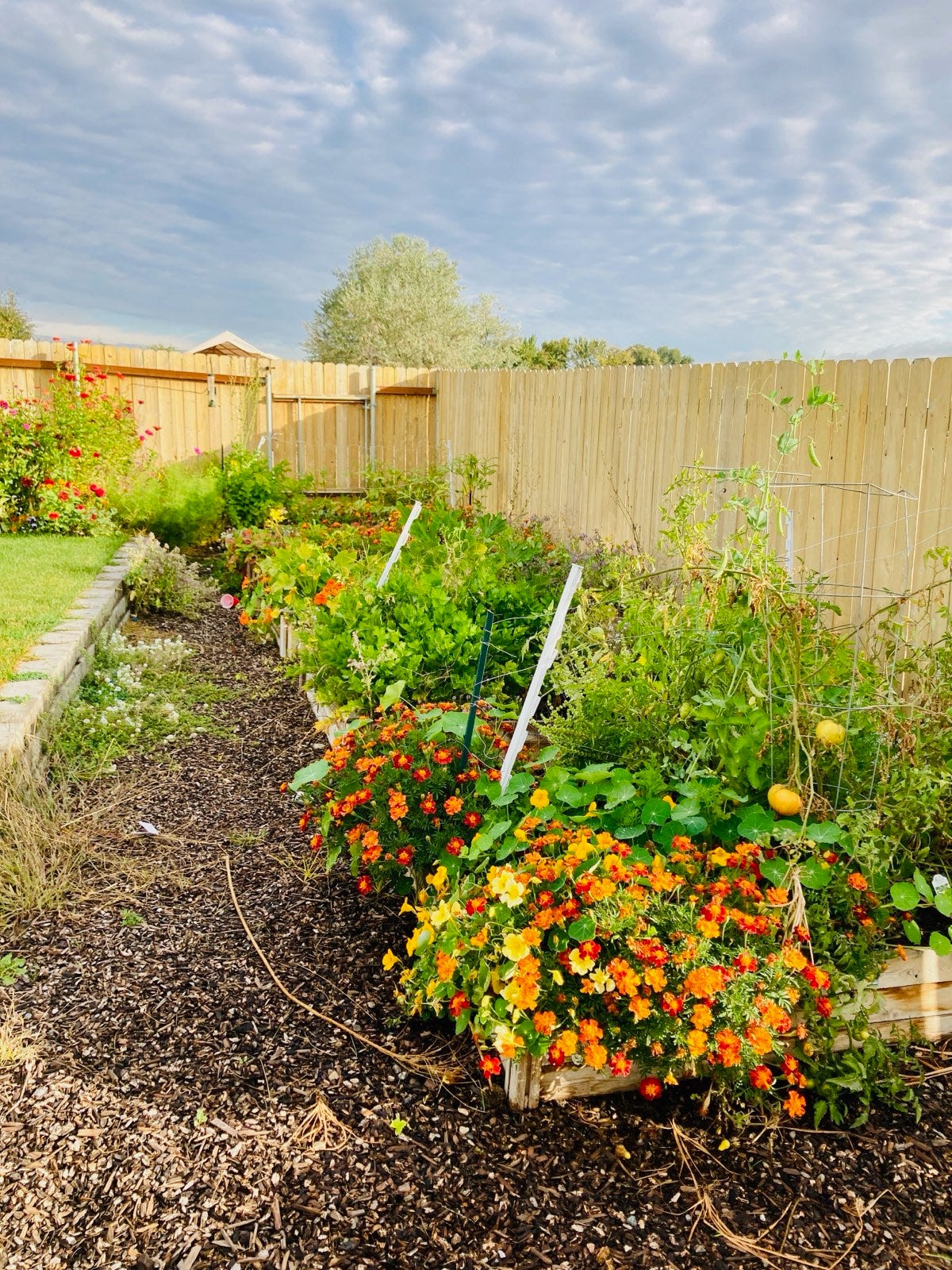
For our family, health has always been at the forefront of our motivations. Cultivating a non-toxic, organic growing space was important to me, even before I knew how depleted our soil was, before I felt my own vitality slipping away in the grasp of chronic disease.
The advice now is to down handfuls of supplements, buy this product because the earth is tired and can no longer give us the nutrients she was meant to. Never mind the intricate mysteries that make nutrients bioavailable in nature’s lovely packaging. And so we keep on with our monoculture farming of the minority of crops that can survive the thousand-mile journey from field to our plates. We douse them in synthetic fertilizer and pour on the poisons that purge the pests, never mind what it does to our pollinators. We may have banned DDT, but can we truly say we aren’t still headed for a silent spring?
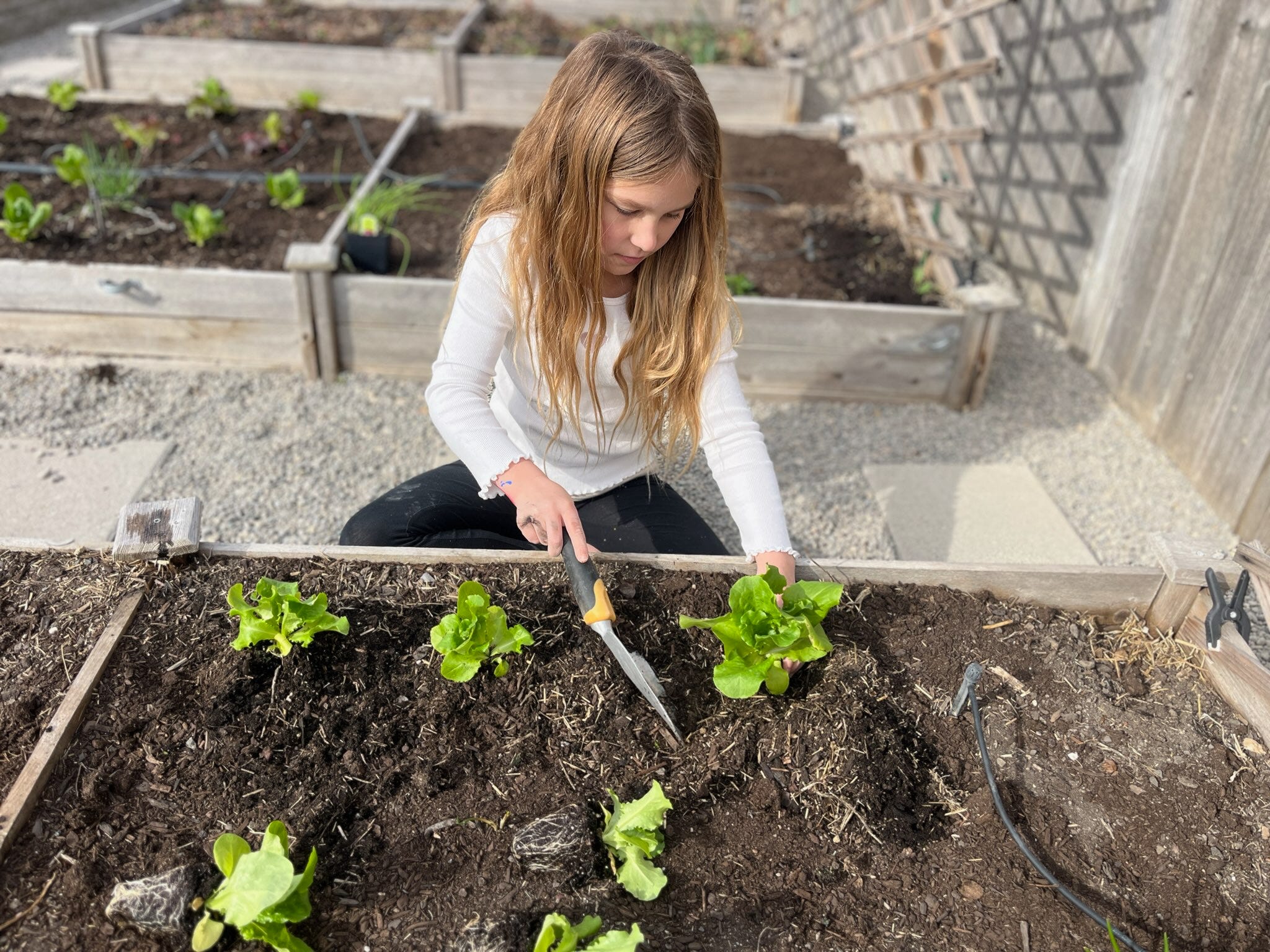
While we hope for our system to change, we know that our health begins here in our home. It grows not only out of our soil, but out of the time we spend with our hands in the earth and our faces toward the sun.
Of course, we all know that there may come a day when we don’t see abundance in the grocery store and instead survey empty shelves. Shipping delays, a fragile supply chain, or some as-of-yet unknown disaster might be rare. But does that mean that we can take the availability of food—or perhaps more to the point, its affordability—for granted?
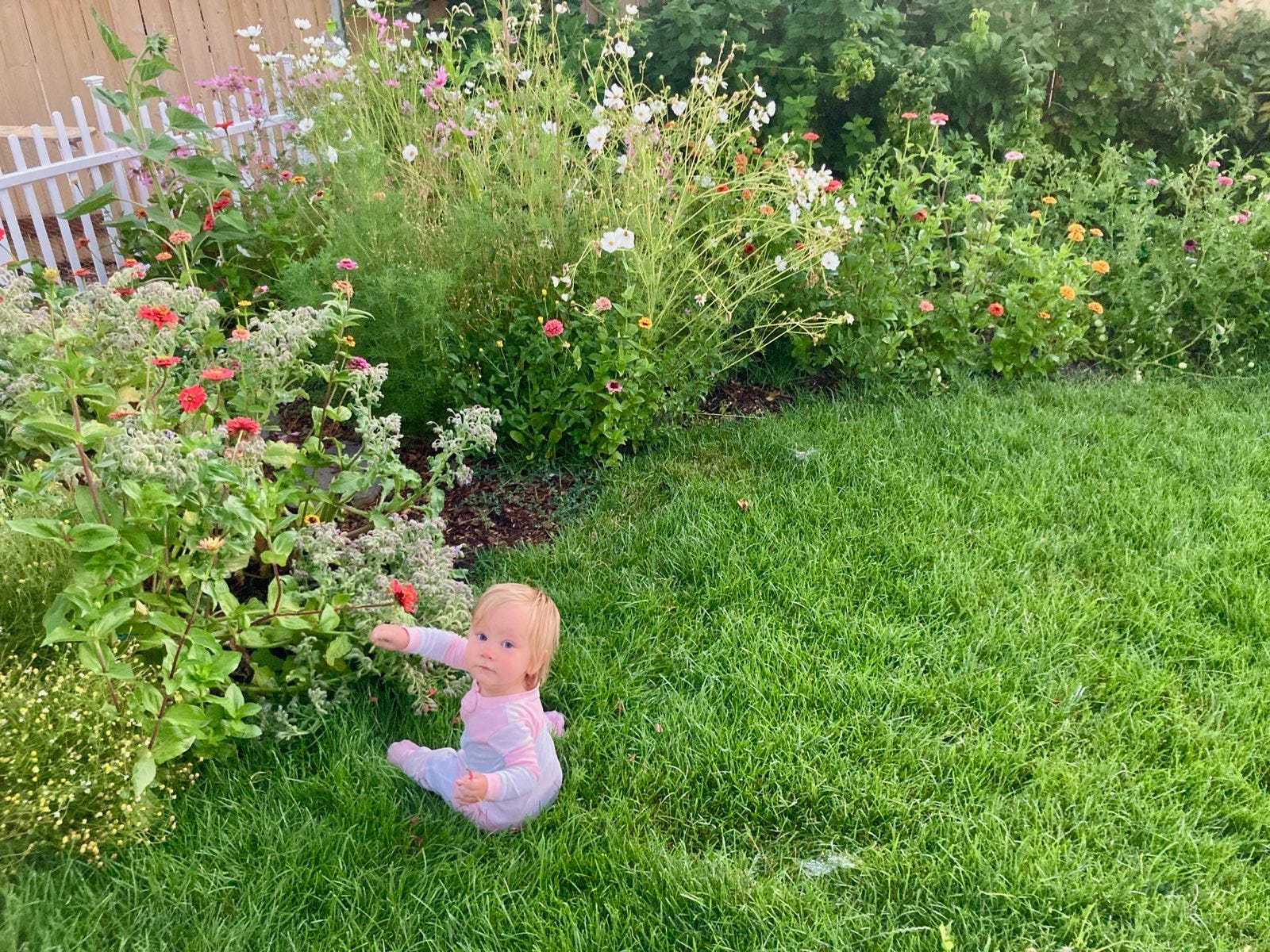
The things we call progress always come at a price—some sacrifice or another that we have now for something we believe will offer us a greater tomorrow. Growing and preserving our own food, despite any apparent utilitarian purpose, is a choice to preserve the wisdom of those who have come before—both their prudence and the practical skills that enabled life for them for generations.
When we preserve our food, we preserve lost skills. Not so very long ago, most American households grew some of their own food to put it up for the winter. At the dawn of Gerber, a hundred years ago, it was the canned food in stores that was the expensive luxury.
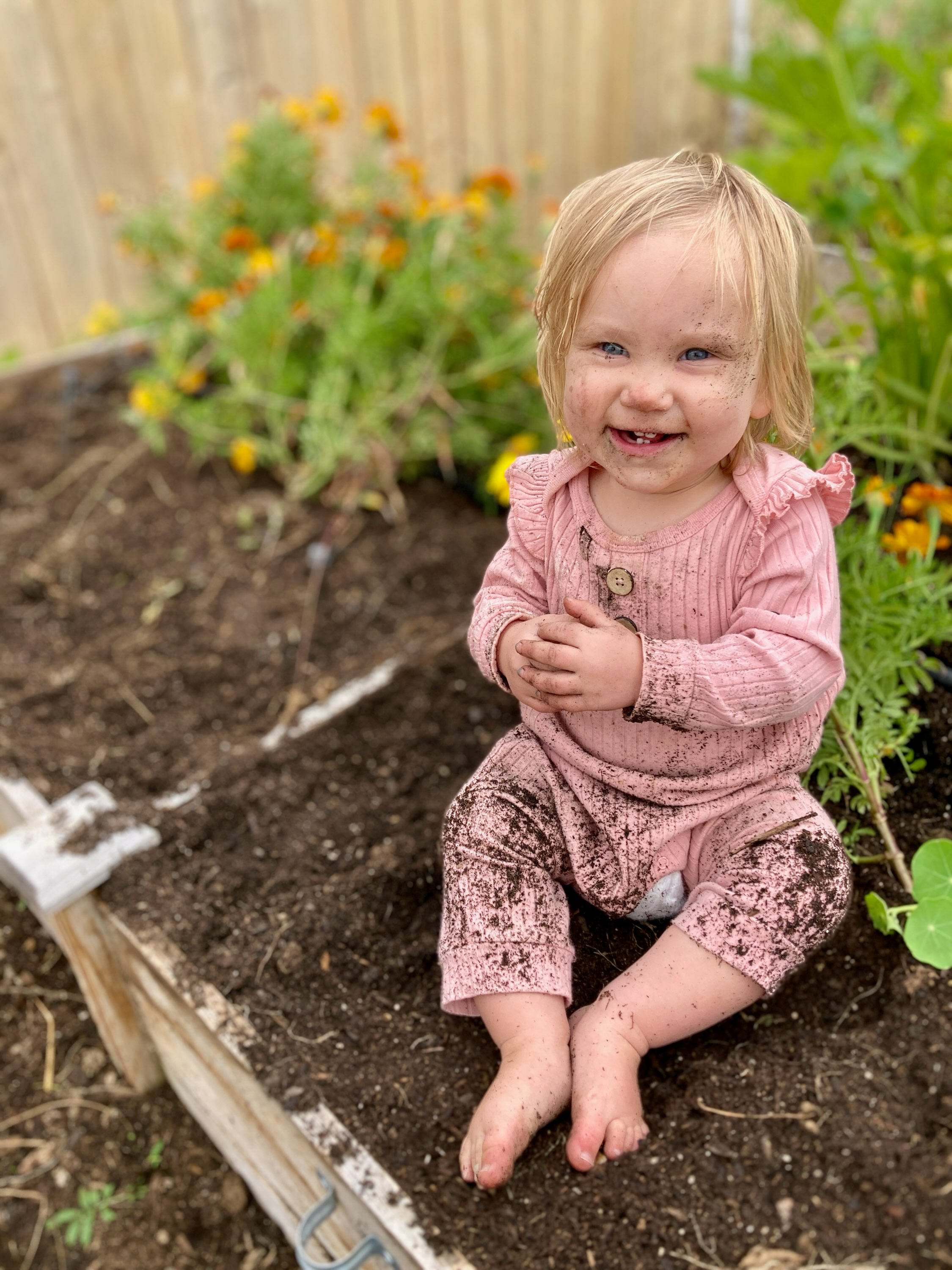
Our cheap modern conveniences may save us time and effort, but they come at the cost of health and vitality, robbing us of the ability and desire to exert any effort at all. Nowadays, it’s becoming rare to find a household that cooks for itself, let alone raises or grows their own food.
Rest and leisure are lovely gifts, but they’re only made meaningful when they punctuate ongoing creative projects that offer purpose to being alive. We weren’t made to lie low. Convenience tempts us to pursue a life of ease. But when we make ease and entertainment our sole end, what we pursue is, in fact, a life of nothingness.
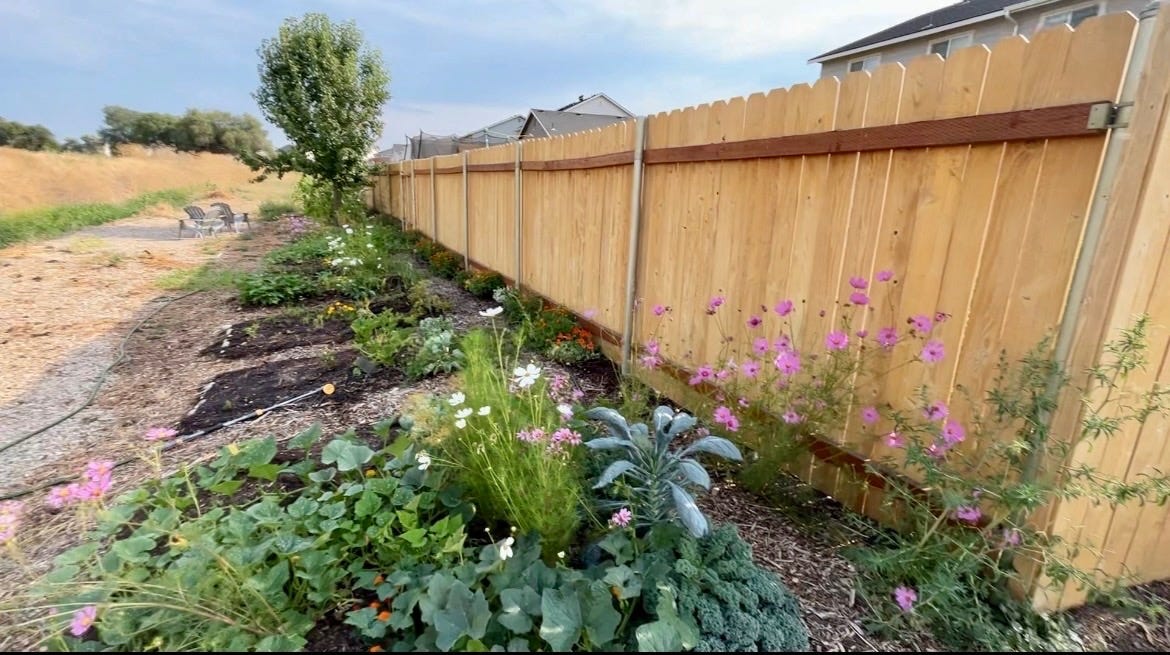
The antidote to the toxins running through our bodies and souls is, at least in our home, making the most of what we’ve been given. Cultivating our small patch of earth may not yield every bit of what we need, but the very act of doing so is an answer to human needs more fundamental than merely what we consume.
And of course, what can never be overstated is the sheer wonder of doing it all. Our hands have a part in the magic of growing things. Our eyes feast on the exquisite loveliness imbued in the colors and textures of the garden. And our tongues taste the spicy zing of garlic scapes and the tang of golden raspberries, too delicate for grocery store shelves.
All this among the buzz of the bees and butterflies and hovering hummingbirds—tiny co-creators with us, doing their part to create and take their share, drinking deeply of the oasis of enchantment.
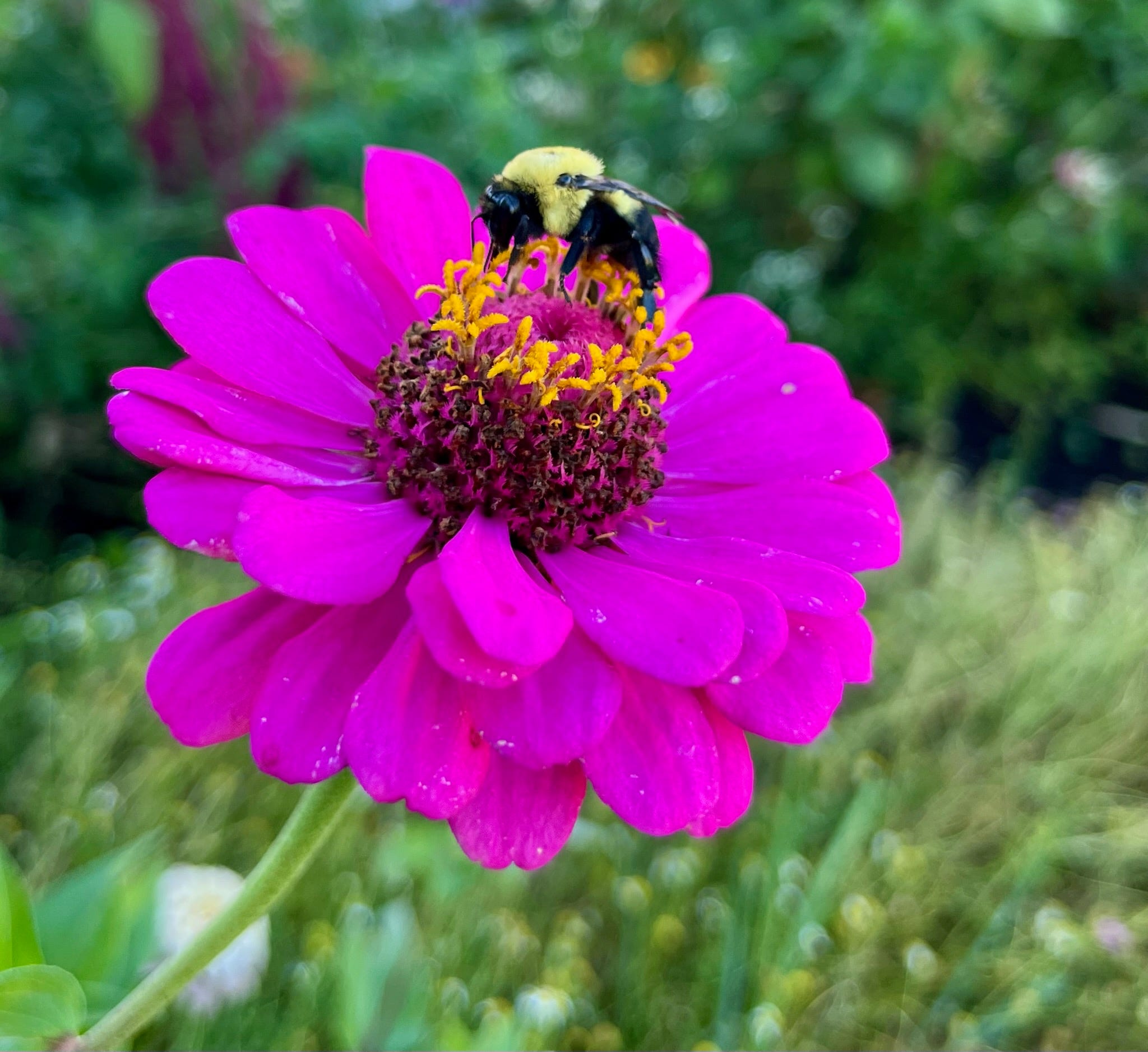
When we grow our own food, we grow so much more. As Wendell Berry reminds us, “Outdoors we are confronted everywhere with wonders. We see that the miraculous is not extraordinary, but the common mode of existence. It is our daily bread.”
Here’s to the feast of wild wonders just budding up to bloom.
Looking to grow more of your own food this year?
I invite you to follow our journey and tour our garden on YouTube for lots of ideas about how to maximize your growing space and preserve the harvest—while keeping up with the many demands of busy family life.
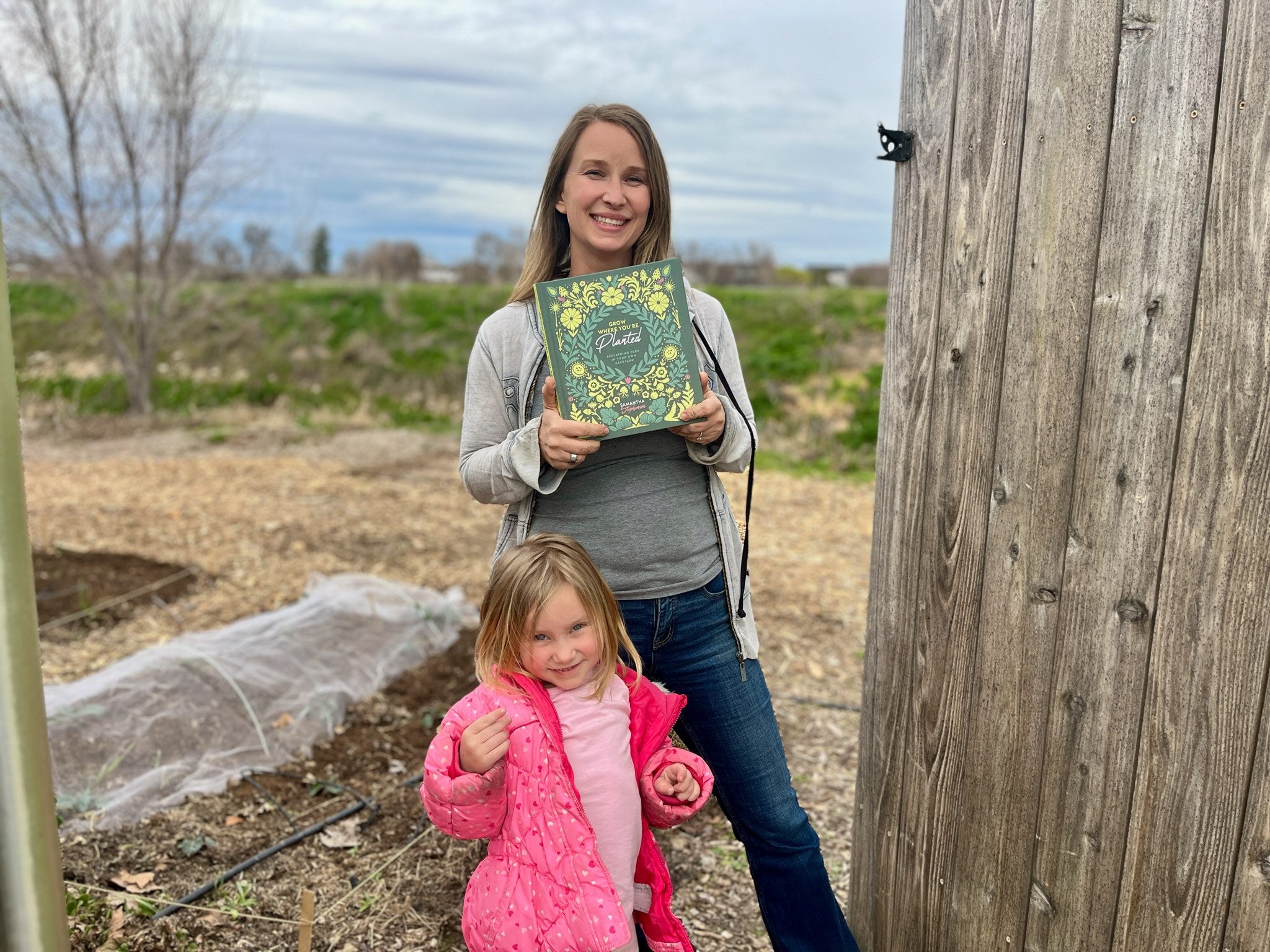
And for my full system of growing food for our family in a backyard, get my BOOK: Grow Where You’re Planted: Reclaiming Eden in Your Own Backyard. You’ll find step-by-step instructions for making the most of what God has given you, right where you are—no relocation to sprawling acreage required.
(And as an added bonus for fellow homeschool families, it includes a downloadable expansion to turn the hands-on experiences in the book into a full year elementary science curriculum!).
Around the Web
I’ve been doing lots of promotions with two books releasing back to back. Many of them are still in progress, but here are some of the interviews and articles out now that you might enjoy:
“Reclaiming Eden in a Backyard: On Growing Things Where You Are” at Catholic Exchange
CatholicMom Lenten Bookclub: The Bellbind Letters:
My interview at Catholic ReCon on all things conversion, bioethics, and books. Basically the story of how I went from being an obstinate Lutheran teenager to a Catholic author and homeschool mom!
“Subtle Lies Quietly Sabotaging Your Marriage” on the Dr. J Show
“The Devil’s Plan for Your Motherhood” at Ave Maria in the Afternoon
“Change the Language, Change the Culture,” in which I do a dramatic reading from my Screwtape-inspired The Bellbind Letters
“Disembodiment—Or Something Else?” a podcast adaptation of my response to Helen Roy on our need to touch grass, and what screen-based life does to our bodies